
Step into the world of the Vikings
More than 1,000 years ago, the Vikings travelled, traded and raided far beyond Denmark. They believed in powerful gods like Odin, Thor and Freyja and their stories still spark our imagination today.
Information
- The tour is in English
- The duration of the tour is 1 hour
- We meet in the entrance hall
- Price: 50 DKK per adult; children under 18 are free.
- Please note: A standard museum admission ticket is required to purchase a guided tour.
1.
Remember me
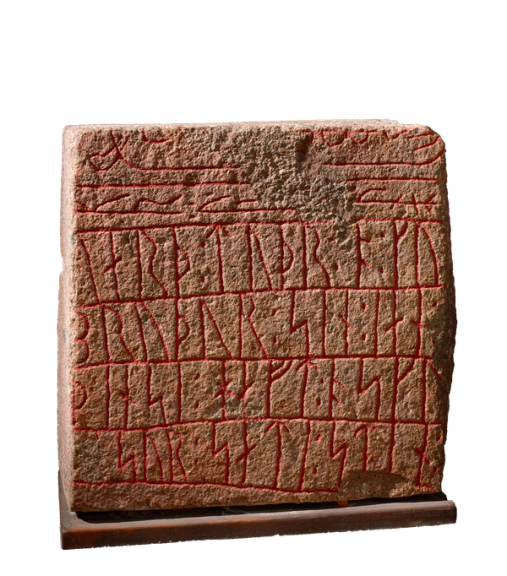
The Vikings wanted their names and stories to live on.
Rune carvers travelled around Denmark, carving stones in memory of people who had died — and the things they had done in life.
Not many people could read the runes, but everyone could hear the stories. In that way, the stones kept memories alive for generations.
2.
Not just a weapon
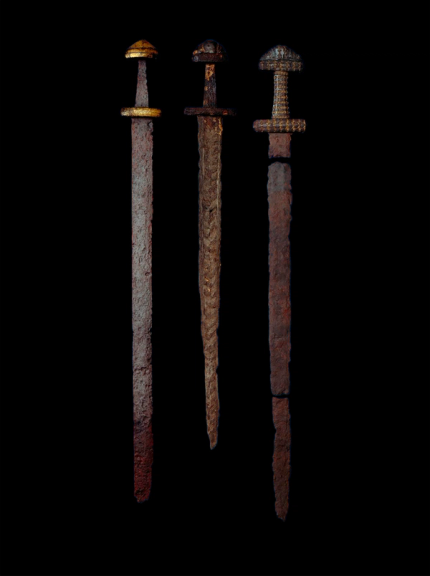
Most Vikings fought with axes or spears. Swords were rare, expensive and belonged to people with power and wealth.
In Viking stories, a sword could have its own name, its own history — almost its own soul.
Passed down through generations, it became more than a weapon. It became part of the family story.
3.
Ask the völva
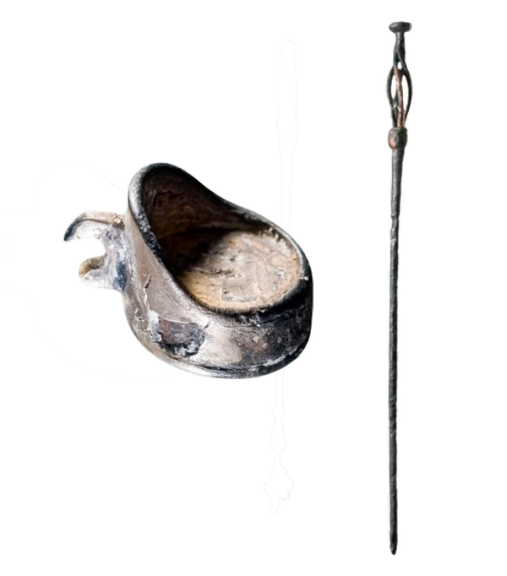
The völva sits high above the people.
She holds her staff. Around her, voices rise in song.
Slowly, she enters a trance. Her soul travels to other worlds, searching for answers.
The people around her wait in silence.
What will happen?
What is my fate?
What does the future hold?
We cannot know exactly how it happened. But this may be how the völva used her magic to answer the questions no one else could.
4.
A market for people
Some Vikings captured people and sold them as slaves.
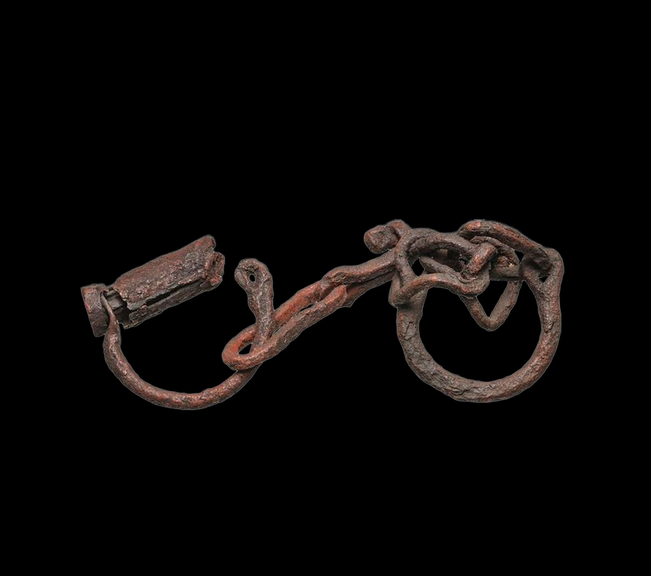
At the slave market, captives could be shown with chains around their arms and legs. Buyers looked at their bodies, their strength, their teeth and the skills they had.
A person’s value could depend on age, muscle power or knowledge. A strong young person might be useful for hard work. An older person who could speak several languages could be valuable on trading journeys.
For the captives, this was not trade in goods but a loss of freedom.
5.
The everyday Vikings
Most Vikings were not out raiding. They were at home.
They lived on farms, worked in the fields, looked after animals and made many things by hand.
In the longhouse, people and animals lived under the same roof. Food came from the farm, and tools, clothes and wooden objects were often made at home.
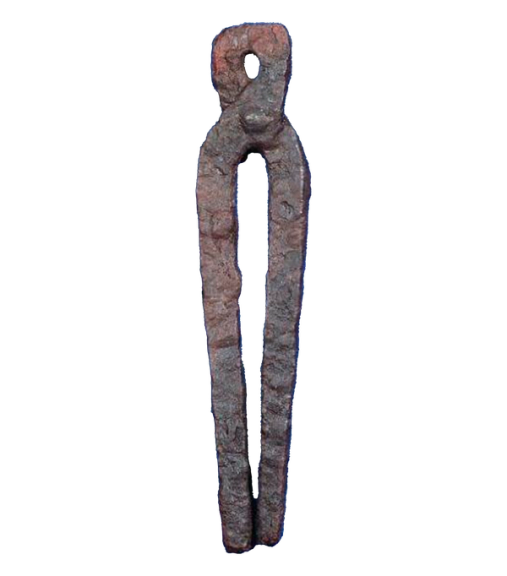
This pair of forged tongs reminds us that Viking life was also practical, familiar and close to everyday life today.